Logo AEDR
Menu
Publications

Books Published

State of the Indian Economy

  • Indian economy found a sweet spot in 2025-26 with an unprecedented combination of above 7 per cent real GDP growth and a low-inflation scenario. The tertiary sector contributed close to 60 per cent of overall growth during this period. GDP growth was driven by strong domestic demand, with private final consumption expenditure accounting for much of this growth. High frequency indicators hint at slight moderation in growth in the last quarter of FY26. However, tractor sales and two-wheeler sales, usually associated with rural demand have shown considerable upside. High frequency indicators on the supply side pointed towards moderation overall: cargo handled at ports, e-way bills generated, both showed decline in growth; power generation remained stagnant; bank credit, in contrast, saw an increase in growth. Industrial sector output growth remained stable but low at around 4 per cent, driven by capital goods on the back of sustained government infrastructure spending. Services sector continued to exhibit strong momentum. India witnessed a continuous disinflationary phase between November 2024 and October 2025, owing to moderating food prices. On the external front, merchandise exports stagnated while imports surged. India’s exports have diversified away from the US to China. Services exports continued to perform robustly. Overall, trade deficit widened during this period. Capital flows did not provide the required cushion to offset the trade deficit: Net FDI remained negative in the six months leading to January while FPIs turned net sellers in FY26. This meant that there were depreciation pressures on the rupee, RBI intervening to stabilise the exchange rate. Foreign currency assets depleted while gold revaluation ensured that India’s foreign exchange position remained comfortable. India’s outlook going forward is mired in uncertainty. The attacks on key energy infrastructure in the Gulf and transit of shipments in the Strait of Hormuz has led to sharp rise in petroleum prices. India has dependence on imported oil and other key ingredients in industries such as fertilisers. This combined with possible below normal monsoon as a result of El Niño, could put stress on the agricultural sector. On the back of a low base in the previous year, this could mean sharp increases in food prices feeding inflation pressures. While sufficient buffers are in place, the prolonging of the middle-East conflict could test India’s resilience. 

  • Read full Publication: https://drive.google.com/file/d/1qreplxOmYNiLIDjoRYL2bT4PTGeTl-Q7/view?usp=drive_link

State of the Indian Economy

The WTO and India: Issues and Negotiating Strategies

  • Analyzes the impact of WTO-induced reforms on the Indian economy.

  • Explores India’s strategic approach for future WTO negotiations.

  • Examines trade liberalization benefits for developed and developing countries.

  • Assesses India’s negotiating strategies and sectoral interests.

  • Evaluates the distribution of reform benefits and their impact on inequality and poverty.

  • Covers key themes like market access, TRIPS, GATS, trade facilitation, and procurement transparency.

  • Provides a historical overview and economic analysis of India’s role in WTO negotiations.
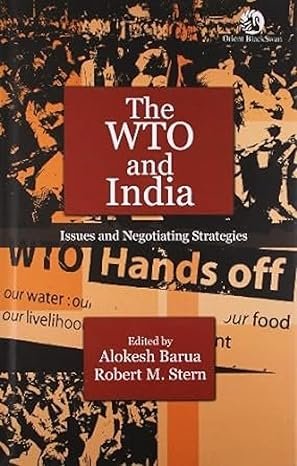
The WTO and India: Issues and Negotiating Strategies

Indian Economy In Transition: Environmental and Development Issues

  • Examines India’s 1991 economic transition to a market-friendly regime that spurred rapid growth.

  • Highlights resulting structural shifts causing social, political, economic, and ecological tensions.

  • Stresses the need for new institutions based on community participation to resolve emerging issues.

  • Identifies rising regional inequalities and urban unemployment as key policy concerns.

  • Advocates adopting an open international economic policy for effective market integration.

  • Urges Indian economic diplomacy to shift from a negative stance to one that actively advances national interests.

  • Warns that capital account convertibility has made India vulnerable to foreign speculators.
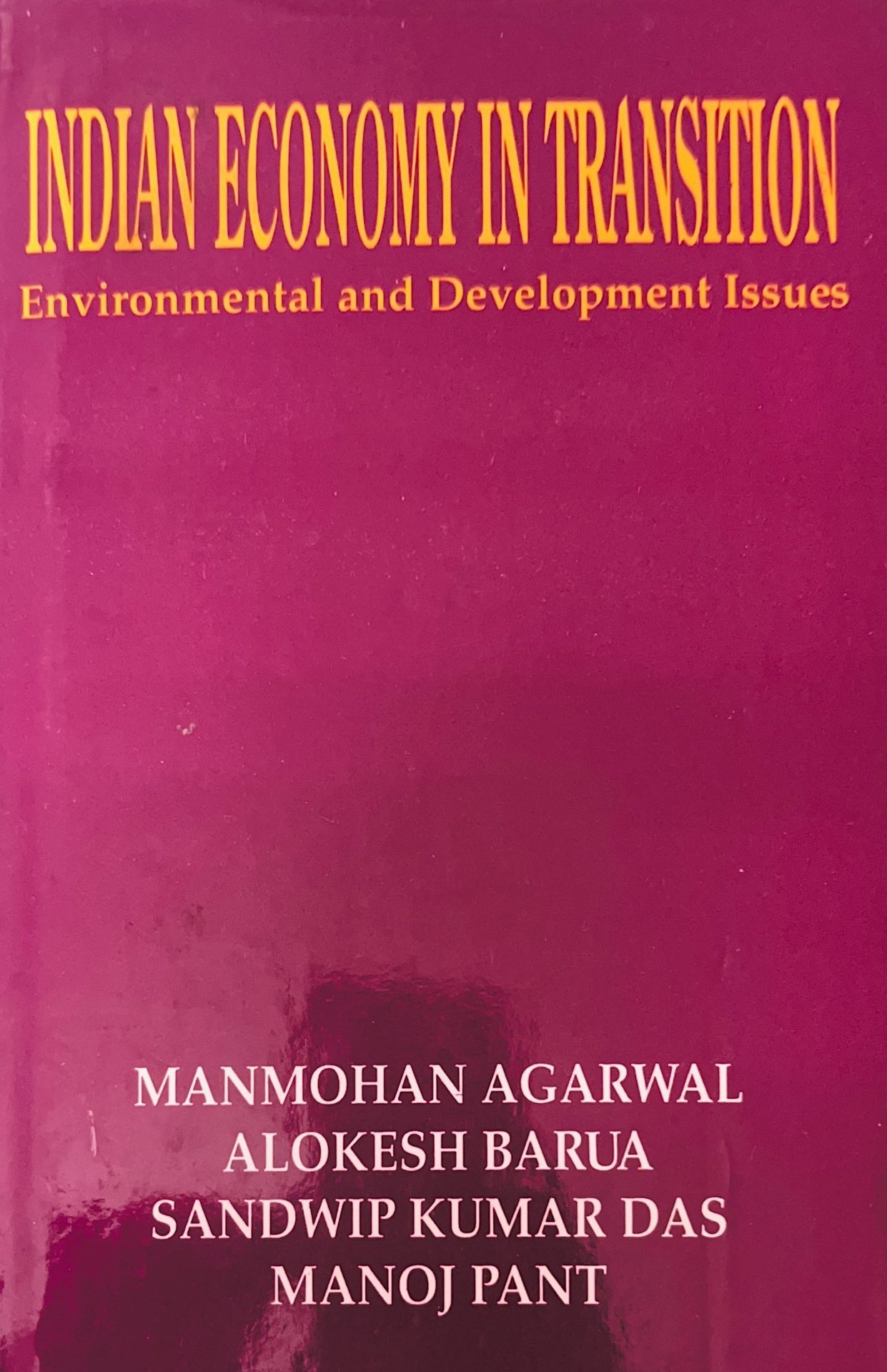
Indian Economy In Transition: Environmental and Development Issues