

Industrialization & Employment
Industrialization transforms an economy from agriculture-dependence to manufacturing-led growth, creating jobs and skills pathways.
Association for Environment and Development Research (AEDR), a non-profit organization, established in 1997, is registered under the Indian Societies Act 1860, to conduct and disseminate studies relating to India’s economic and social development with special reference to their interaction with environmental factors. The Association has completed more than 11 research projects since its inception and has conducted several seminars and conferences from time to time.
Over the years, AEDR has expanded its reach by engaging in multidisciplinary research projects across diverse thematic areas such as trade & environment, industrialization & employment, gender & demographics, and the digital economy. The organization also hosts seminars, workshops, and policy forums, connecting academics, practitioners, and government policymakers to facilitate knowledge exchange and evidence-based dialogue. Through these engagements, AEDR seeks to influence policy and practice by making rigorous research more accessible and actionable.

AEDR envisions a future where economic growth and environmental sustainability go hand in hand, shaping a more equitable, inclusive, and resilient society. The organization aspires to become a leading knowledge hub that informs national and global policy through high-quality research, fostering development models that respect ecological limits while uplifting human well-being.

The mission of AEDR is to conduct, support, and disseminate interdisciplinary research on critical issues at the intersection of development and the environment. By collaborating with academic institutions, government agencies, civil society, and international organizations, AEDR strives to generate evidence-based insights that drive progressive policies, sustainable practices, and informed public discourse.

The core purpose of AEDR is to bridge the gap between research, policy, and practice. Through its studies, seminars, conferences, and capacity-building programs, AEDR aims to address emerging challenges in areas such as trade, industrialization, employment, gender, and digital transformation—always with a focus on their environmental implications. By doing so, the organization seeks to contribute to India’s sustainable development trajectory and support informed decision-making at multiple levels.
YEARS
MEMBERS
RESEARCH PROJECTS
COMMUNITY ENGAGEMENTS
AEDR has grown from a modest beginning in 1998 to a recognized voice in India’s development and environmental research space. Over the past 25 years, the Association has actively contributed to research and policy initiatives across states and the central government, with a strong focus on sustainability, inclusiveness, and growth.
This year, AEDR celebrates its 25th anniversary, marking a quarter century since our humble beginnings in 1998 when we outlined a blueprint for the state of Nagaland. At that time, the state had just initiated its peace process after over three decades of insurgency, which had hindered economic development in this sensitive region of India's north-east frontier. Today, this area has made significant progress and is well-integrated into India's development process.
Industrialization transforms an economy from agriculture-dependence to manufacturing-led growth, creating jobs and skills pathways.

Supporting digital transformation, digital skills, and tech-enabled services to accelerate inclusive economic growth.

Promoting gender equality and inclusive demographic policies to improve participation across education and the labour market.

One day Seminar on Climate Change and Environmental Sustainability organized by SYNAPSE, Department of Zoology, Miranda House, University of Delhi, in association with Association for Environment and Development Research (AEDR)
_1762921099.jpeg)
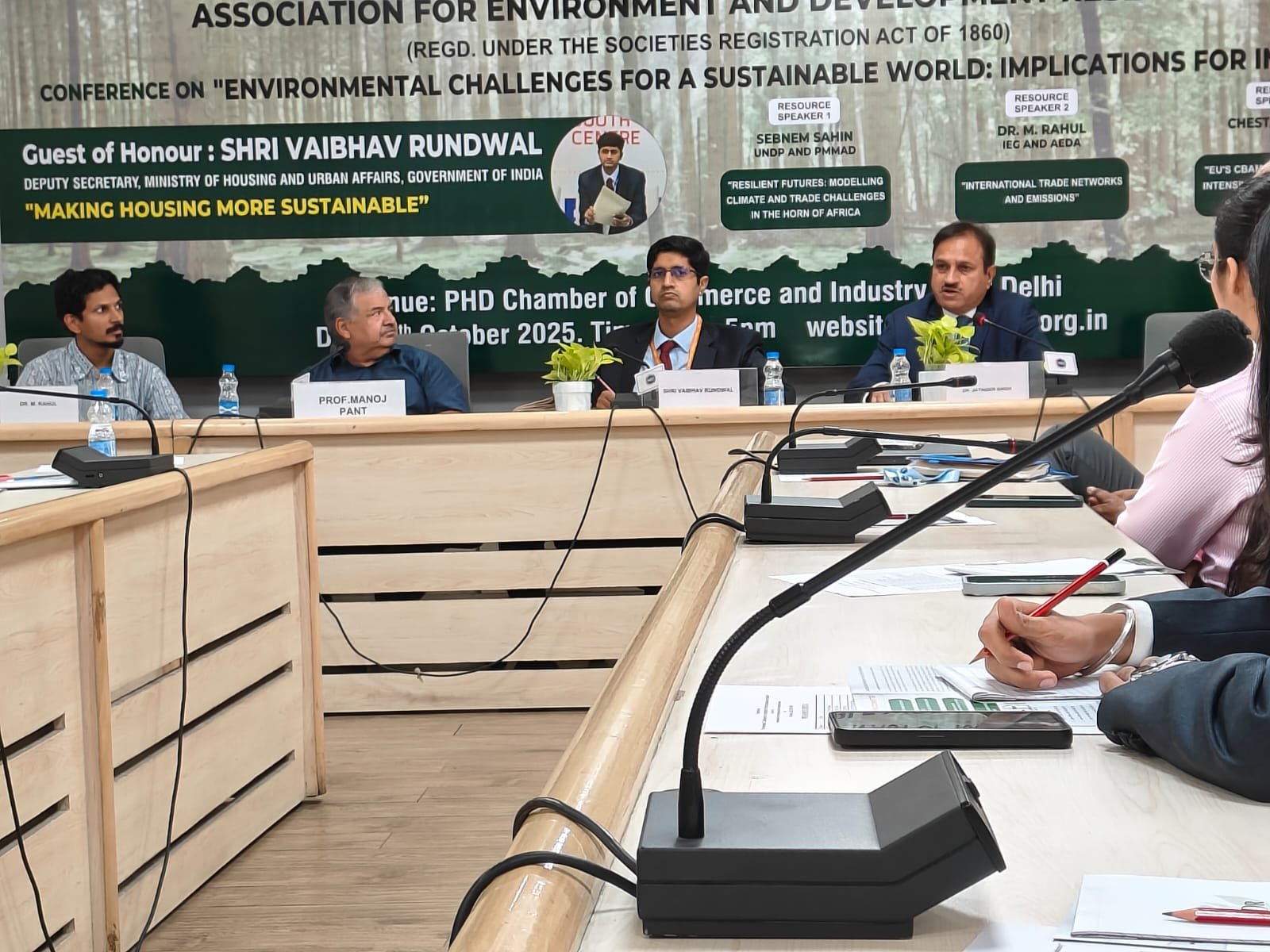
Environmental Challenges for a Sustainable World: Implications for Industry
8 Oct 2025
The Association of Environment and Development Research (AEDR) held a conclave on October 8, 2025, at PHDCCI to discuss how global policy shifts and sustainability measures impact Indias trade and industrial landscape.

November 2023
_1762849697.jpg)
December 2017
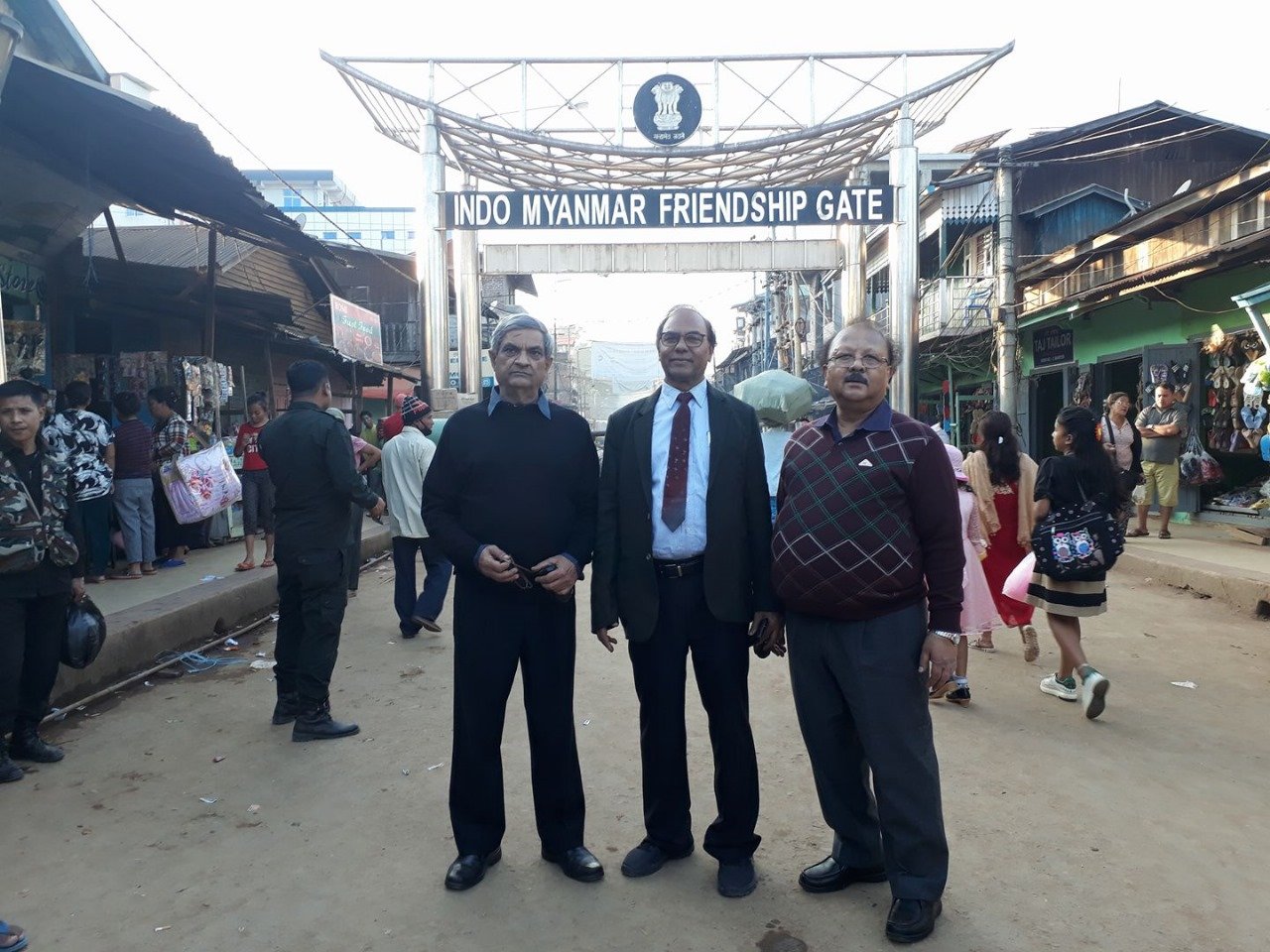
November 2017
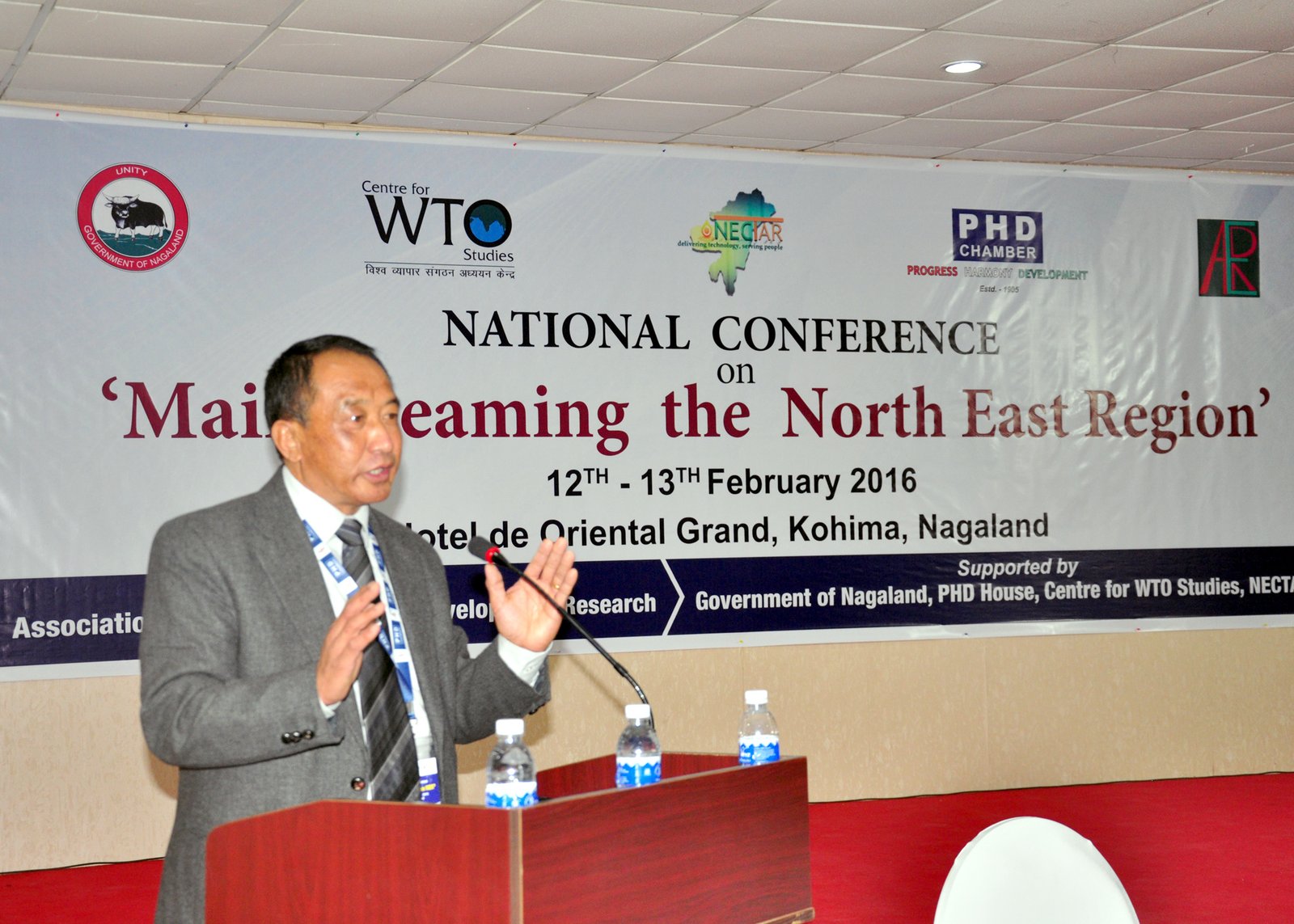
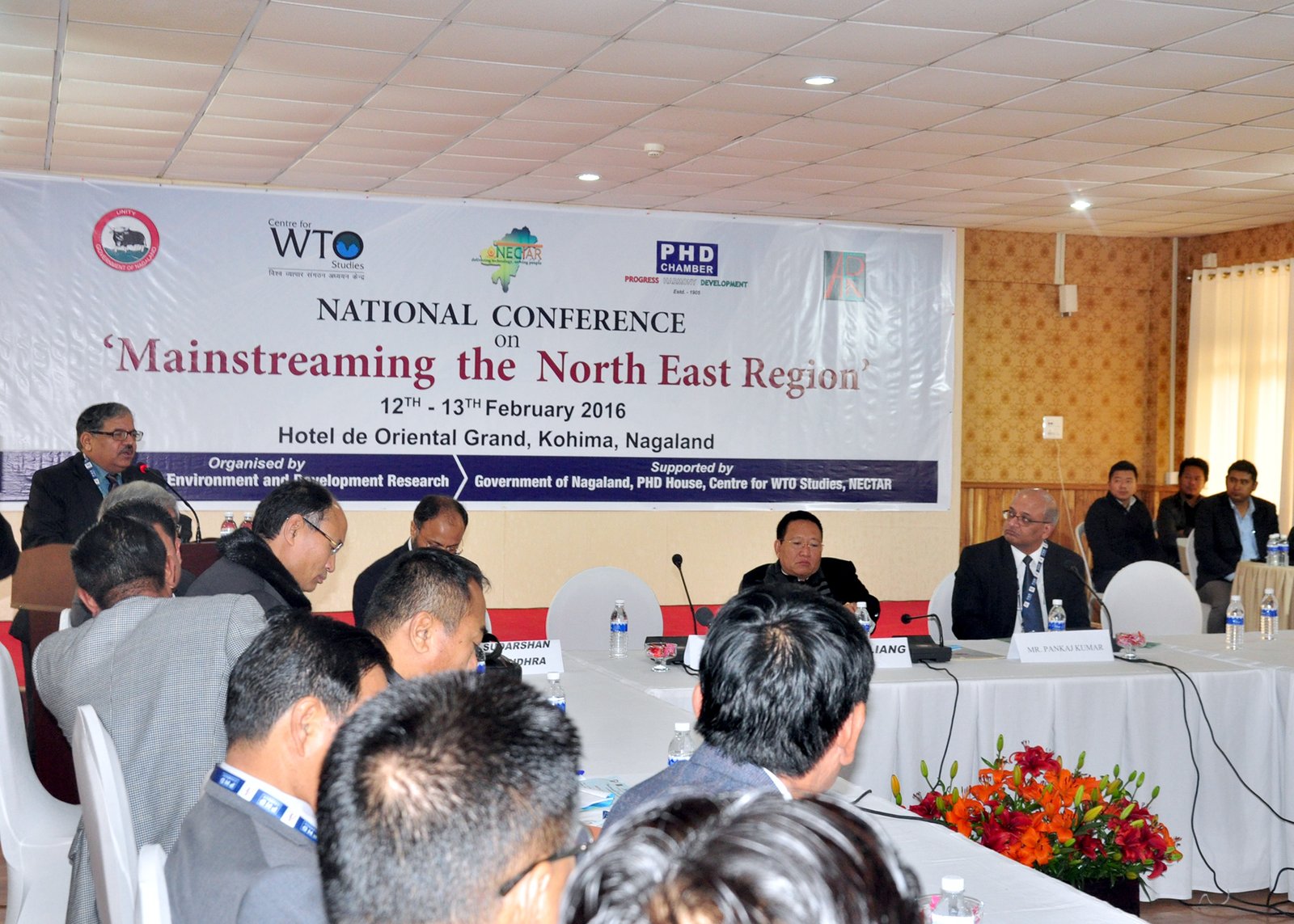
February 2016

August 2006

March 2005
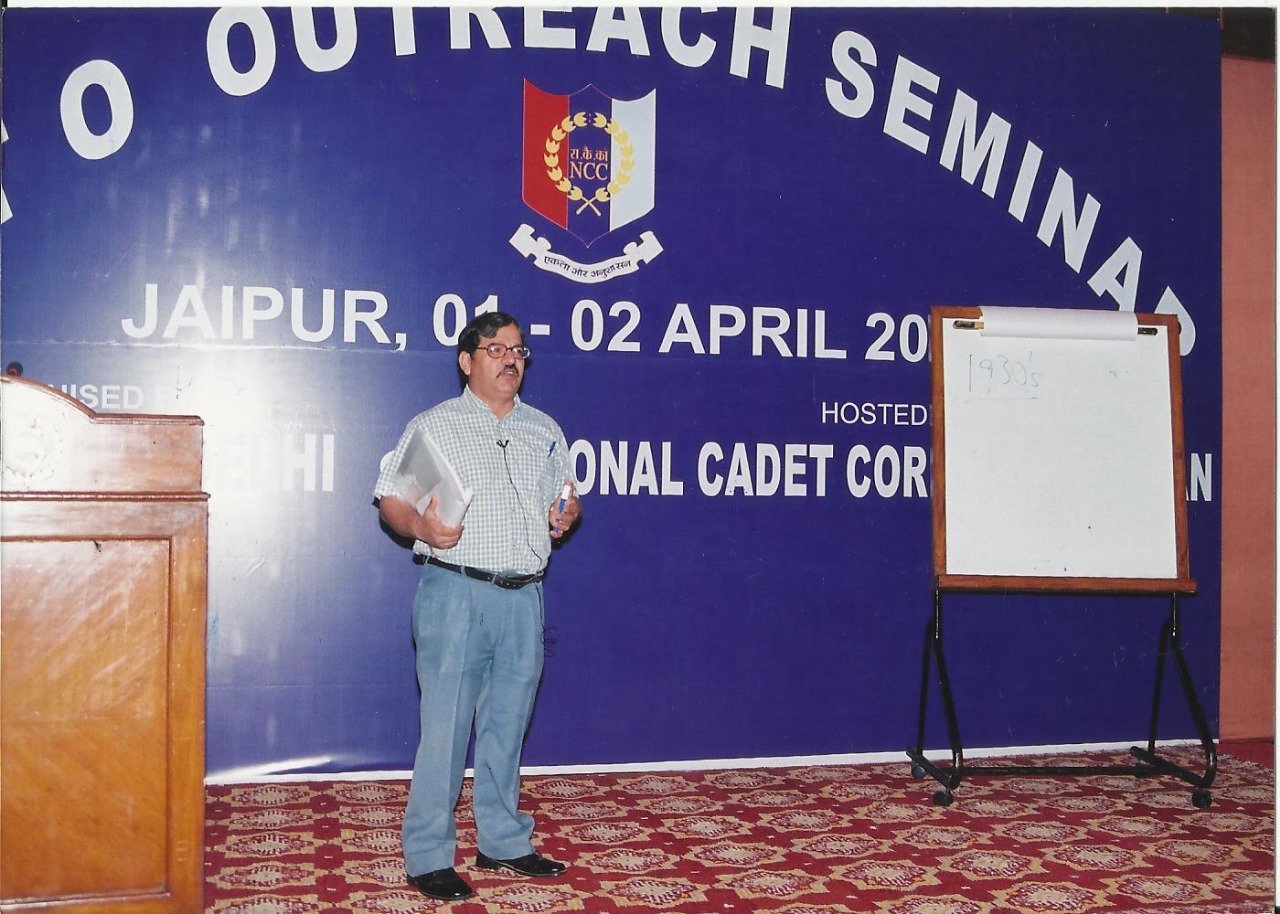
January 2005

January 2005

January 2001
AEDR plays an active role in shaping practical, evidence-based policies that address climate resilience, environmental protection and sustainable development. Through research, stakeholder engagement and policy advocacy, AEDR supports decision-makers with actionable insights and inclusive strategies that balance ecological integrity with economic and social needs.

Learn how AEDR informs policy decisions across climate, environment and sustainability.
Analyzes the impact of WTO-induced reforms on the Indian economy.
Explores India’s strategic approach for future WTO negotiations.
Examines trade liberalization benefits for developed and developing countries.
Assesses India’s negotiating strategies and sectoral interests.
Evaluates the distribution of reform benefits and their impact on inequality and poverty.
Covers key themes like market access, TRIPS, GATS, trade facilitation, and procurement transparency.
Provides a historical overview and economic analysis of India’s role in WTO negotiations.

Examines India’s 1991 economic transition to a market-friendly regime that spurred rapid growth.
Highlights resulting structural shifts causing social, political, economic, and ecological tensions.
Stresses the need for new institutions based on community participation to resolve emerging issues.
Identifies rising regional inequalities and urban unemployment as key policy concerns.
Advocates adopting an open international economic policy for effective market integration.
Urges Indian economic diplomacy to shift from a negative stance to one that actively advances national interests.
Warns that capital account convertibility has made India vulnerable to foreign speculators.
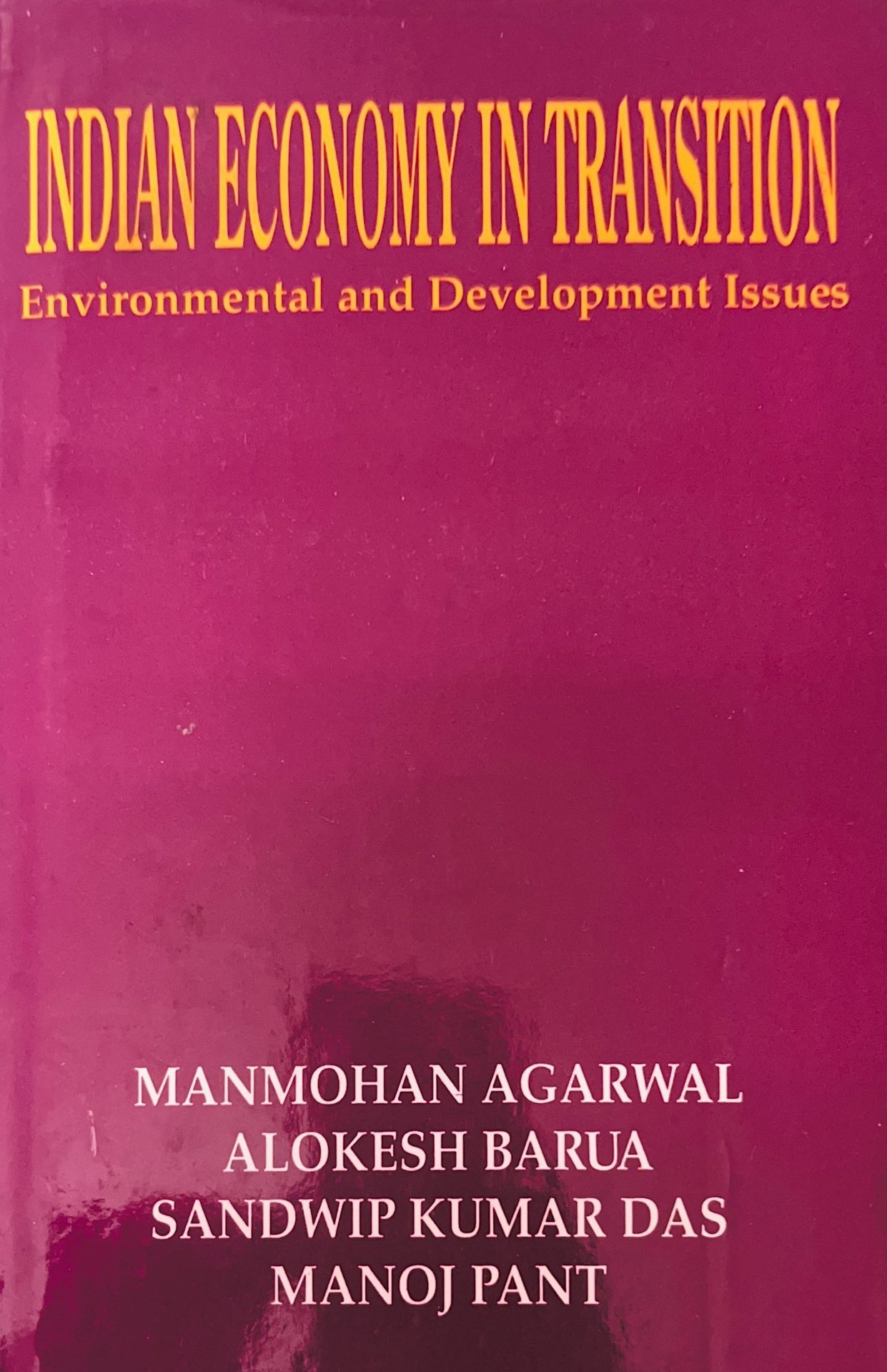
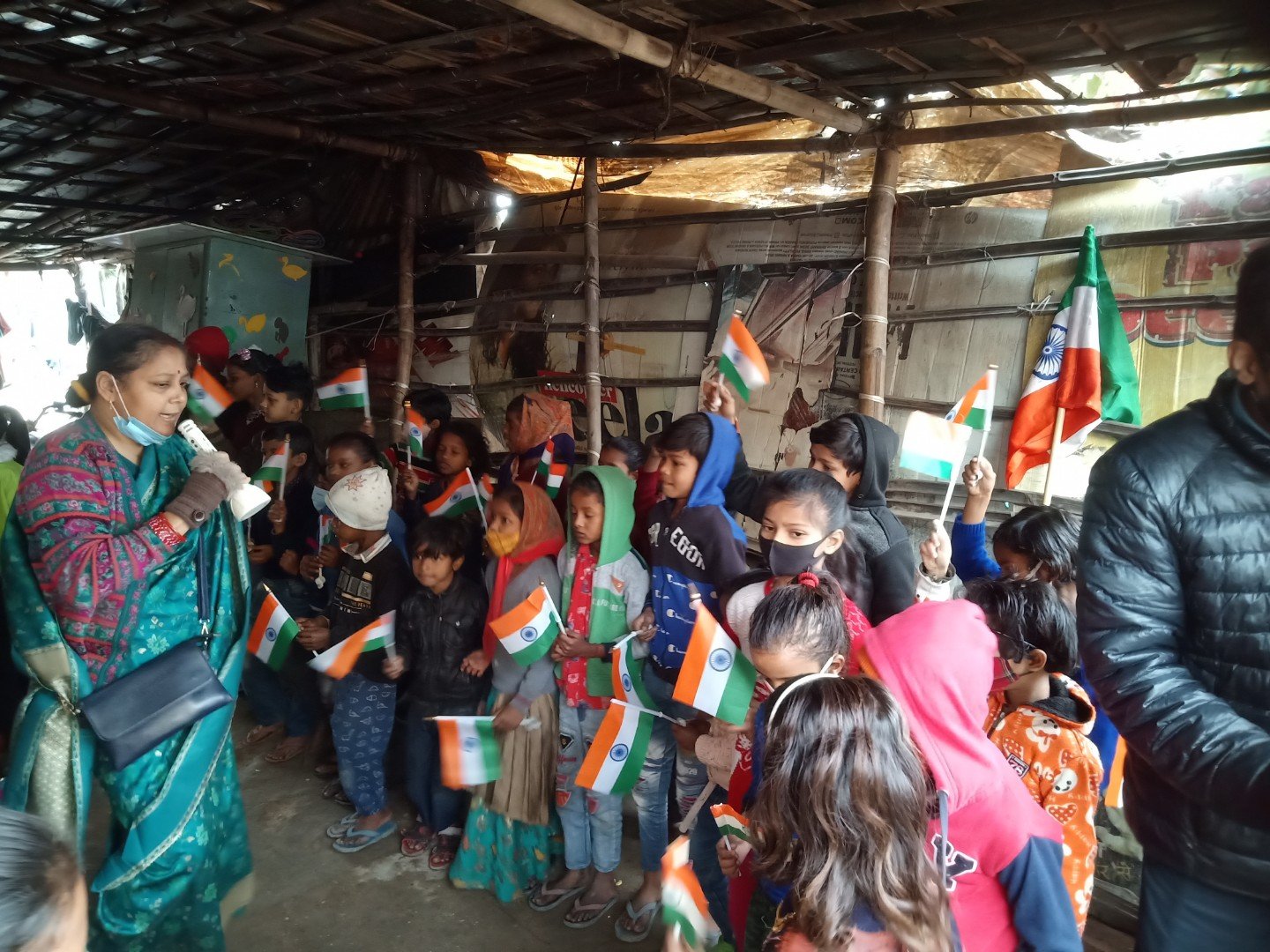
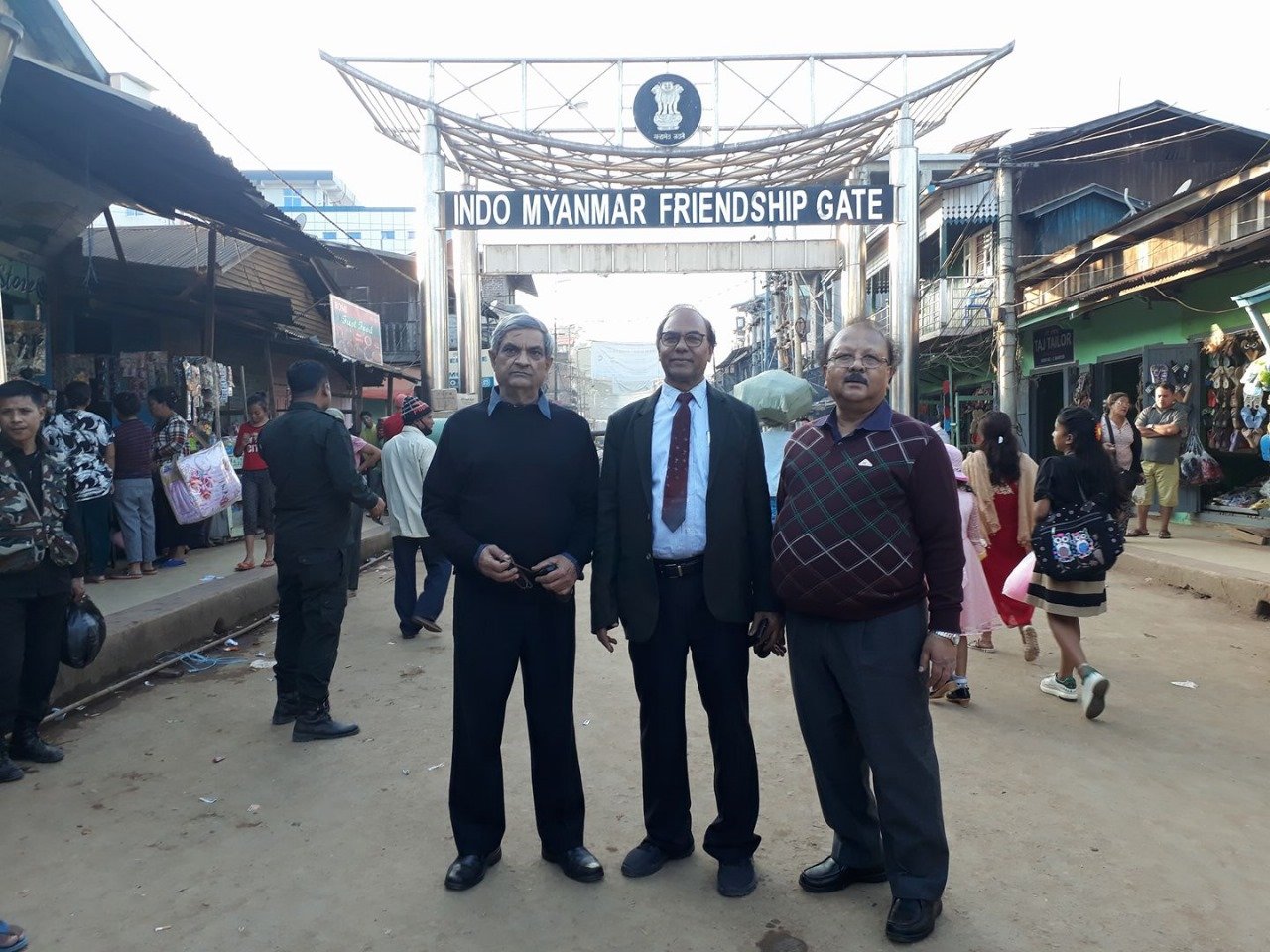
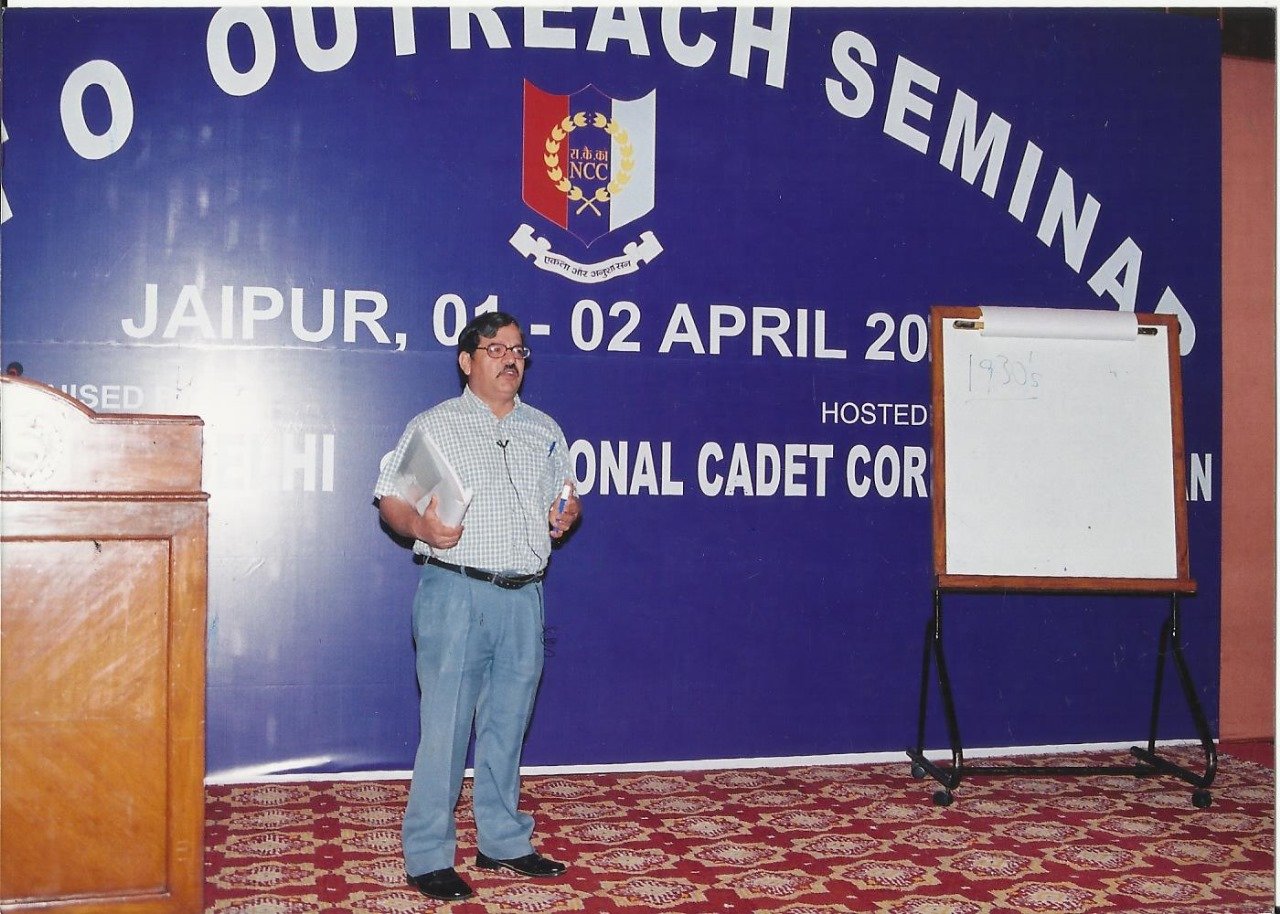
A glimpse of our initiatives and activities captured in pictures.

_1762855702.jpg)